The next big digital trend? Logging off
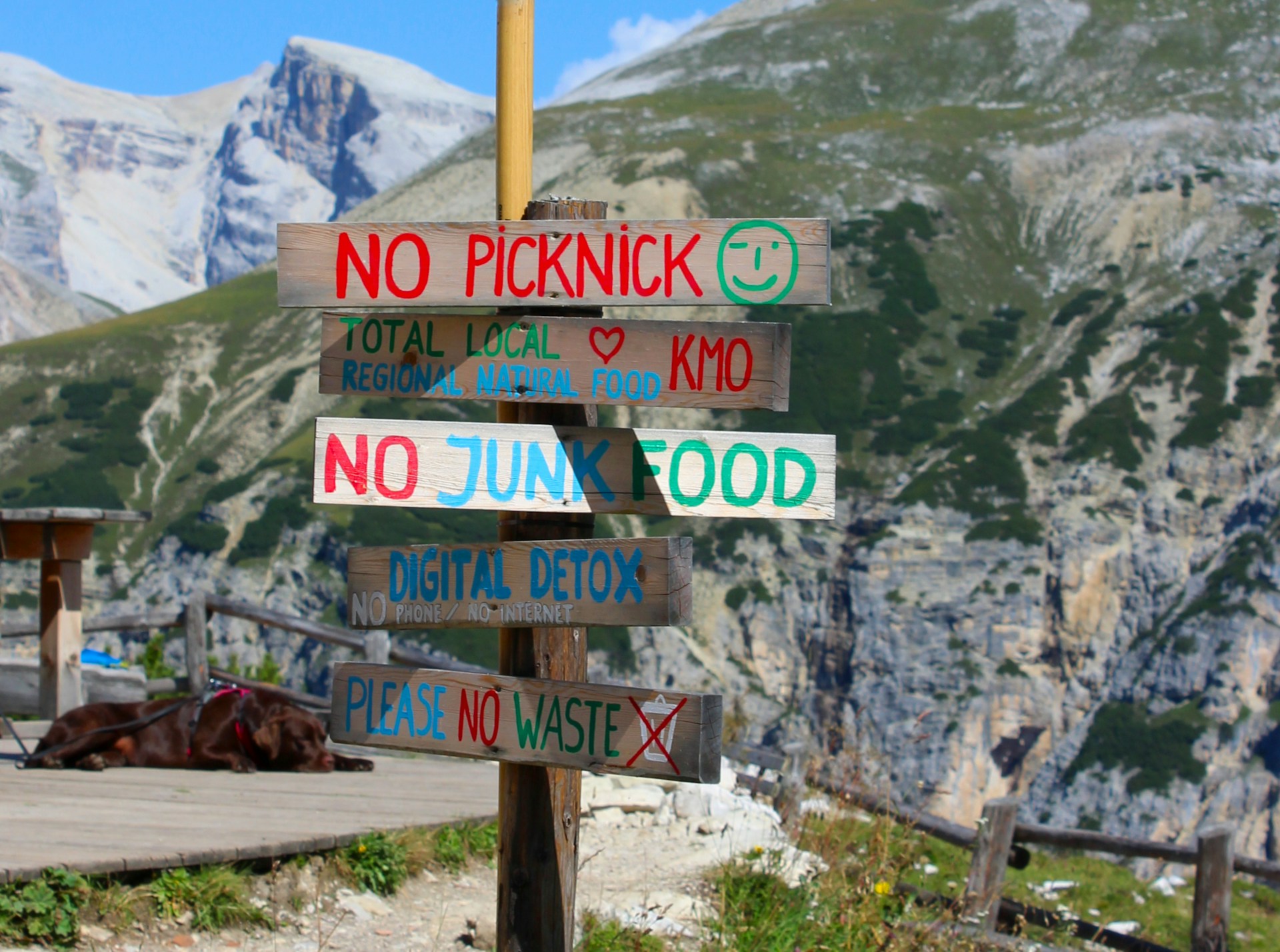
The digital detox trend – 2026’s boldest digital shift starts offline
Be honest – when was the last time you posted something online just because you wanted to? Not for reach. Not for relevance. Just because.
These days, opening Instagram feels like clocking in – same Pilates-and-matcha mornings, same passport-in-hand airport take-offs, same trending audios, same endless loop of déjà vu. TikTok’s no escape either, with relentless “what I eat in a day”s and #ad-in-disguise pep talks. Even your WhatsApp group chats feel algorithmic – everyone’s typing less, reacting more.
We’re online all the time yet rarely there. We scroll to unwind, then feel wired. We check messages and somehow feel lonelier. The feed keeps moving but nothing moves us. And somewhere between the seventh “new post from…” alert and that one perfect moment online that made you feel left behind, something shifted – people started wanting out.
Real conversations. Real eye contact. Real weekends that don’t need proof.
So as 2026 approaches, whispers about the next big digital trend aren’t about tech or tactics – they’re about taking back time. Presence is the new luxury. Silence is the new status symbol. And that, right there, is where the digital detox trend begins. Strange words for a digital agency? Maybe. But we’ve got thoughts.
The digital detox trend – data behind the disconnection
The data’s only catching up to what we already know – our screens have had enough of us, and honestly, same. The average person now spends 6 hours 45 minutes online each day – that’s almost a third of our waking lives. Half of it’s on our phones, hopping between around seven apps a month. And after a decade of nonstop scrolling, even the world’s biggest platforms are finally… . slowing down
Gen Z – the internet’s OG trendsetters – are hitting pause. 60% feel drained after scrolling. Almost half have deleted at least one app this year for a sanity check. Google searches for “digital detox retreats” and “offline weekends” have surged 40% while TikTok videos about taking breaks have passed 2 billion views The irony? They’re finding calm by logging off the platforms that made them famous.
All signs point in one direction – the next big digital trend is shifting from constant visibility to conscious presence. Because according to the numbers, the digital detox trend is officially graduating from mood to movement.
At RED Marketing, we’re seeing it happen in real time. Campaign data tells a clear story – the once-reliable formulas of frequency and volume are starting to fizzle. Video completion rates drop the moment a reel drags past 15 seconds, while shorter, sharper storytelling sparks double the engagement.
Even “polished” influencer content – the kind that once defined brand success – is plateauing fast. In its place, junk-scroll gold is taking over. Think oddly satisfying ASMR mukbangs (aka Harrods Too Good To Go bags demolished in a car) or those too-perfect-to-be-real guest bathroom restock videos nobody asked for but everyone watches.
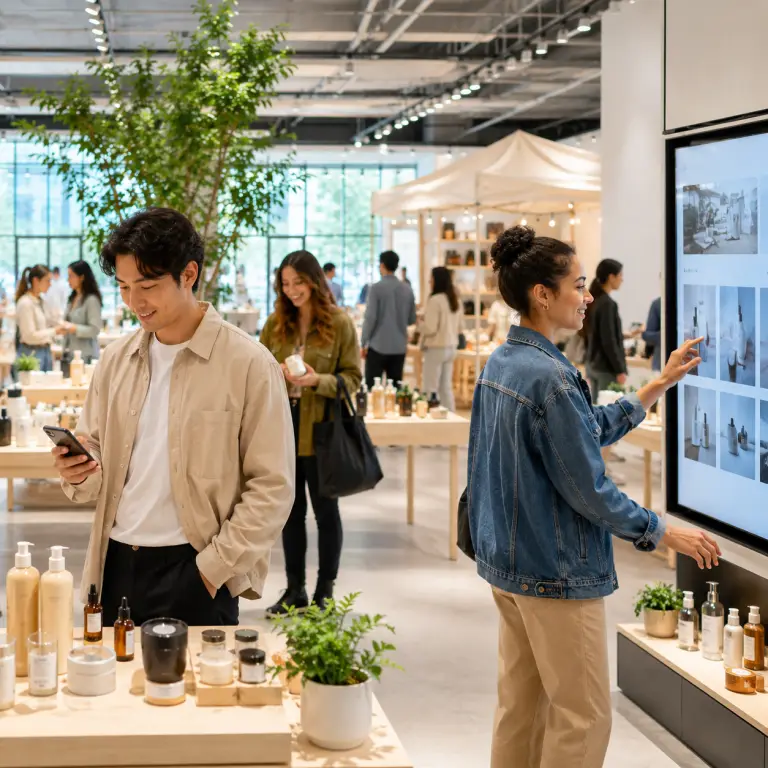
Offline experiences are exploding online too. Pop-up events, local collaborations and tactile activations are going viral precisely because they feel different – they give people something real to talk about once they’re back on their phones. That’s the new flex: moments that feel human first, digital second.
The next big digital trend – brands, it’s your wake-up scroll
The digital detox trend marks the end of always-on culture – and the rise of logging on with intention. At RED, we’re watching it ripple through every space we play in – retail, hospitality, fashion, beauty, real estate, automotive – and beyond.
Audiences still love digital storytelling, but they want it distilled. They’re done doom-scrolling. They’re ready to feel something again. Here’s how forward-thinking brands can keep up in 2026 (without burning out their audiences).
- Reimagine content cadence – quality over quantity
Posting less doesn’t mean losing relevance. If anything, it means posting with purpose. Our campaign data proves it – brands shifting from daily drops to focused bursts of storytelling every few days see engagement jump by up to 30%. Turns out, strategic pacing builds more than reach – it builds anticipation. It leaves room for curiosity to breathe. And in a culture addicted to noise, a little silence speaks volumes.
- Design for attention, not addiction
The endless scroll is losing its grip – 2026 belongs to brands creating content people finish, not just flick past. Short-form still dominates, but its edge now lies in precision over repetition. Concise motion edits, visual rhythm and clear narrative arcs under 20 seconds cut through the noise. The brands that respect attention spans earn loyalty without burnout – and guess what? The algorithms love that too.
- Bring the offline online
As feeds start to blur together, real-world moments have become the algorithm’s favourite plot twist. Events, pop-ups and tangible experiences create the kind of content users choose to share – no prompts needed. Data from Eventbrite and Nielsen shows a 43% rise in social engagement linked to experiential campaigns. Proof that 2025’s most viral content wasn’t staged in studios – it was captured in crowds.
- Collaborate with creators who live, not perform
The influencer landscape is rewriting itself. Micro-creators and niche experts now outperform mega-influencers across nearly every vertical – driven by higher trust ratios and relatable storytelling. Matter Communications found that 69% of consumers trust recommendations from creators they see as “real people” over those with huge followings. Creators who feel human move metrics that high-gloss campaigns simply can’t.
- Reinvest in community – digital intimacy over digital reach
As public feeds lose traction, private spaces are thriving. Group chats, micro-communities and closed channels are where real influence lives. Brands nurturing smaller, deeper ecosystems see stronger lifetime value and referrals. We’ve seen it firsthand with community shopping centres – their biggest wins come from hyper-local conversations: tenant takeovers, customer-led stories and on-the-ground collaborations.
Lead the digital detox trend – with RED by your side
For brands ready to recalibrate and reconnect, our team’s already working in that space between culture and calm. Let’s start a conversation – info@redmarketing.biz